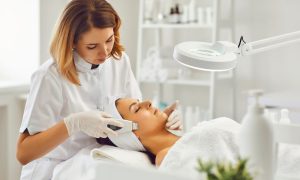
Plenty of people are curious about cosmetic treatments but unsure where to start. The choices can feel overwhelming, the terminology is confusing and it is hard to know what a first appointment involves. The good news is that a first visit is usually a conversation, not a procedure. This guide explains what cosmetic medicine covers, how to check who you are dealing with, what happens at a consultation and how to approach your decision with realistic expectations.
What cosmetic medicine covers
In practice, cosmetic medicine in Adelaide covers a range of non-surgical treatments designed to change or improve appearance. These can include skin rejuvenation, laser and light-based therapies, skin needling and other approaches that do not involve an operation. The details vary from clinic to clinic, and the best place to learn what is on offer is a consultation with a qualified practitioner.
Cosmetic medicine is different from cosmetic surgery. Non-surgical treatments generally involve less downtime and no general anaesthetic, but that does not mean they are risk free. Every treatment has benefits, limits and possible side effects, and a good practitioner will talk you through all three.
It also sits in a different space from beauty therapy. Some treatments are provided by beauty therapists, while others are provided by registered health practitioners such as doctors and nurses. Knowing who is delivering your treatment, and what training they have, is one of the most important parts of preparing for a visit.
Before you book

A little research before you book will help you feel confident about your choice. Start with the practitioner and the clinic:
- Check registration. Doctors, nurses and other health practitioners in Australia are registered with the Australian Health Practitioner Regulation Agency. You can look up a practitioner by name on Ahpra’s public register to confirm that they are registered and to see whether any conditions apply to their practice.
- Ask about training. It is reasonable to ask what training and experience the practitioner has in the specific treatment you are considering.
- Ask who will treat you. In some clinics, the person you meet at the consultation may not be the person who carries out the treatment. Ask who will do what.
- Ask what happens if something goes wrong. A good clinic has a clear process for follow up and for dealing with complications.
- Look at the clinic itself. The environment should be clean and professional, and the staff should be comfortable answering your questions.
Be cautious if you feel rushed or pressured. A responsible provider will give you time to think and will not push you to commit on the spot. If something feels off, you are free to walk away.
What happens at the consultation
A consultation is where good care starts. Although every clinic has its own approach, a typical first appointment includes:
- Your goals. You explain what you would like to change or improve and why.
- Your health history. The practitioner asks about your medical history, medications, allergies, previous treatments and anything else that might affect your suitability. Be honest and complete, because the details matter.
- An assessment. They look at your skin or the area of concern and consider what might and might not work for you.
- A discussion of options. A good practitioner explains the possible approaches, including the option of doing nothing, and what each involves.
- Risks and side effects. You should be told what to expect during and after treatment, what could go wrong and what the practitioner would do if it did.
- Time to decide. You should be able to take the information away and think about it. Treatment is not always offered on the same day, and that is a good thing.
It helps to bring a short list of questions. You might ask how many sessions are likely to be needed, how long recovery usually takes, what the costs are in total and what the alternatives are.
Preparing for and recovering from treatment
Preparation and aftercare depend on the treatment, so follow the specific instructions your practitioner gives you. In general terms, you can expect to be asked about:
- Medications and supplements you take, and whether any should be paused beforehand.
- Sun exposure and skin care products, which can affect how skin responds to some treatments.
- Arranging your day so that you are not rushed, particularly if there will be some redness or swelling afterwards.
- Aftercare instructions, which often cover skin care, sun protection and activities to avoid for a short time.
Ask for the instructions in writing and find out who to contact if you have a concern after you leave. If something seems unusual after your treatment, such as significant pain, spreading redness or symptoms that worry you, contact the clinic promptly. If you feel seriously unwell, seek urgent medical help.
Setting realistic expectations
One of the most valuable things a practitioner can do is help you form realistic expectations. Results vary from person to person and depend on your skin, your health, your age and how you look after yourself afterwards. Cosmetic medicine can improve certain features, but it cannot give you a new face or guarantee a particular outcome.
Good signs include a practitioner who:
- Talks about what is achievable and what is not.
- Does not make promises or guarantees about results.
- Suggests waiting or choosing a different approach when that is the better option.
- Does not encourage you to change features you are happy with.
It is also worth thinking about why you want a treatment and what you hope it will do for you. If your expectations are very different from what is likely, it is better to know before you begin.
A note on advertising: in Australia, strict rules apply to how health and cosmetic services can be promoted. That is one reason you may see fewer specifics online than you expect. Do not rely on social media posts or before and after photos when deciding. A consultation with a registered practitioner is the best way to get accurate, personal advice.
Your first visit commits you to nothing
A first visit does not commit you to anything. It is a chance to ask questions, understand your options and decide whether a clinic is right for you. Check that your practitioner is registered, take your time, ask what the risks are and keep your expectations realistic. If you approach cosmetic medicine as a considered health decision and not an impulse, you are far more likely to feel comfortable with the choice you make.