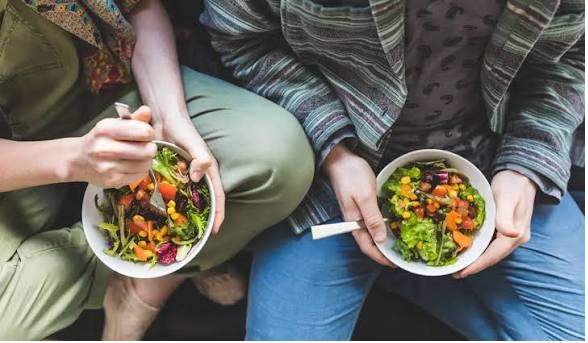

Balanced mealtime habits can make everyday eating more enjoyable, organized, and satisfying. Simple visual guidance can help people understand food proportions while encouraging variety and consistency. Here are several ways thoughtful portion awareness can support healthier mealtime routines.
- Encourages A Balanced Food Combination
A well-planned meal can include vegetables, fruits, grains, and protein sources in suitable proportions. Dividing foods thoughtfully makes it easier to create meals that offer variety without allowing one category to dominate the entire plate.
- Include colorful vegetables for variety.
- Add suitable protein sources.
- Choose nourishing grain options.
- Keep portions visually balanced.
- Makes Meal Planning More Convenient
Planning meals becomes simpler when portion sizes are easier to visualize. Instead of guessing how much of each food to serve, people can use a consistent structure that makes preparation more straightforward and reduces unnecessary decisions.
- Plan meals around different food groups.
- Prepare ingredients before mealtime.
- Keep nutritious options readily available.
- Use familiar serving proportions.
- Supports Mindful Eating Practices
Mindful eating involves paying attention to food, hunger, fullness, and enjoyment. A Portion Control Plate can provide a helpful visual reminder to slow down and notice what is being served, making meals more intentional and satisfying.
- Eat without unnecessary distractions.
- Notice hunger and fullness signals.
- Take time to enjoy flavors.
- Appreciate different food textures.
- Helps Maintain Consistent Portions
Consistency is an important part of developing lasting mealtime habits. Serving similar proportions regularly can make balanced eating feel natural rather than complicated. Over time, this approach may help people become more comfortable recognizing suitable serving amounts.
- Follow a familiar meal structure.
- Adjust portions according to individual needs.
- Avoid automatically taking extra servings.
- Build awareness through repetition.
- Promotes Greater Food Variety
Healthy eating is not only about quantity but also about diversity. Including different ingredients throughout the week can make meals more interesting while providing opportunities to enjoy a broad selection of nourishing foods.
- Rotate vegetables across meals.
- Explore different whole-food ingredients.
- Include various protein choices.
- Enjoy seasonal produce when available.
- Makes Family Meals More Organized
Shared meals can become easier to manage when everyone follows a simple visual structure. A consistent approach can encourage family members to build plates thoughtfully while making mealtime preparation and serving more organized.
- Serve a variety of foods together.
- Encourage everyone to choose balanced combinations.
- Keep serving areas organized.
- Make healthy choices appealing and accessible.
- Creates Sustainable Daily Habits
The best eating routines are practical enough to continue every day. Simple portion awareness can become a natural part of meal preparation, helping people approach food with greater confidence and consistency without relying on complicated rules.
- Keep routines simple.
- Focus on balance rather than perfection.
- Make gradual improvements.
- Celebrate consistent healthy choices.
Conclusion
Balanced mealtime habits can flourish when food choices are organized, portions are understood, and meals remain varied and enjoyable. By using simple visual guidance and practicing mindful choices consistently, everyday eating can become more structured, satisfying, and supportive of long-term wellness